Feb 21, 2024
Welcome to bfdentalsociety.org, the new website for the Benton-Franklin Counties Dental Society!

Feb 21, 2024
And, increasingly, access to fresh food and groceries.
The issue of food insecurity is a growing problem among dental students, both in Washington and across the country. Some studies estimate nearly a quarter to almost half of all dental students struggle with it.
Just this past year, the American Dental Association was presented with a proposal to address food insecurity nationally. Resolution 210 would have established a national program to combat food insecurity among dental students, allocating $50,000 in seed funding for programs at the nation’s dental schools. An amended version, 210B, was eventually approved by the ADA Board, acknowledging the challenge of food insecurity but excluding funding for the pilot program.
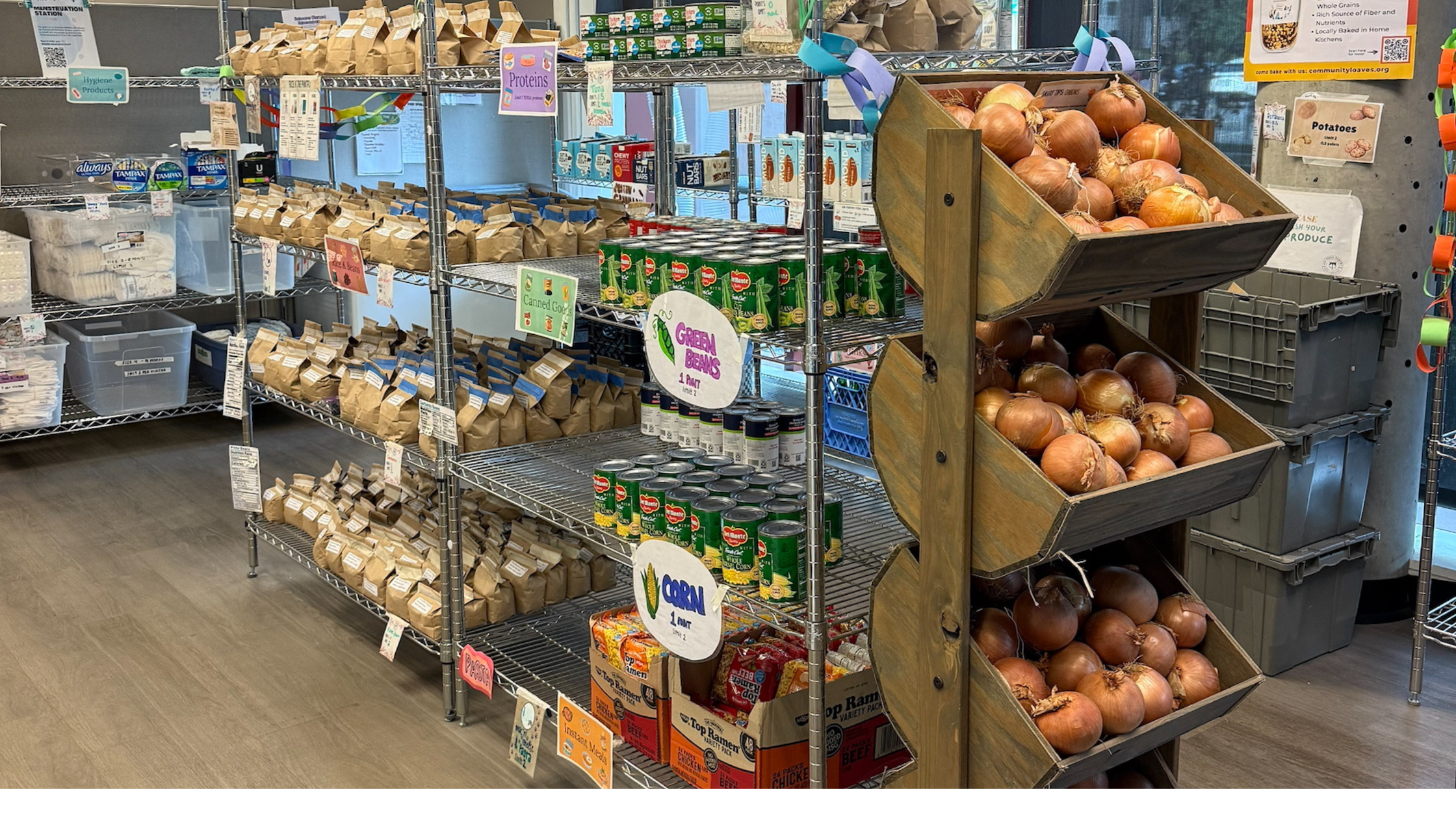
Thanks to a mix of nonprofit and private donations, Washington dental students have access to well-stocked mini grocery stores on campus to help backfill food and grocery needs. The food pantries at both the University of Washington in Seattle and Pacific Northwest University of Health Sciences (PNWU) in Yakima have become a lifeline at a time when affordability issues are challenging dental student budgets.
In Seattle, where the city’s cost of living — for housing, food and fuel — continues to climb, students at the University of Washington find themselves struggling to get by.
“Over the past several years, the UW Food Pantry has seen a significant increase in visitors and volunteer activity,” said River Elewski, student director for the UW Food Pantry. Federal cuts to SNAP benefits in 2025, as well as rising costs in Seattle, are likely leading to even more students being impacted by food insecurity, said Elewski.
While the UW Food Pantry serves the entire campus community, last quarter approximately 43% of pantry visitors were grad students, including students from the dental school.
"Some studies estimate nearly a quarter to almost half of all dental students struggle with food insecurity."
As a result, the UW Food Pantry has become an important source of fresh food, groceries and other hygiene staples for undergraduate, graduate students, faculty and staff. The pantry provides shelf-stable products, fresh produce, ready-to-eat items from campus dining locations, and hygiene products at no cost.
The UW Food Pantry’s food budget is supported by community donations, while staff salaries and office expenses are supported by the UW Student Activity Fee (SAF). They partner with Community Loaves for fresh baked bread and cookies, the UW Farm for fresh seasonal produce, and Northwest Harvest to supplement shelf-stable goods.
Pantry visitors use a point-based shopping system. Shoppers can access the pantry once per week and have a set number of points to use during their visit (13 for parents/caretakers; 8 for everyone else). Everything in the pantry is labeled with how many points it is and what the item limit is — for example, a 1-lb bag of oats is 1 point, and someone can take up to 2 bags on a visit. Points reset every weekend. This system helps ensure an equitable distribution of food among pantry users throughout the week.
Most people accessing the UW pantry are only shopping for themselves, Elewski said. Their marketing efforts include an active presence on social media platforms, like Facebook and Instagram (@uwfoodpantry), which reaches thousands of students each quarter about everything from new items to pantry hours and emergency updates.
“It’s really helped drive consistent engagement and awareness of the services we provide,” added Elewski. “If I had to share one thing with WSDA News readers, it would be to emphasize the prevalence and harm of student food insecurity. It is under-researched and underrepresented in food security solutions.”
Miles from Seattle, the need is no less pressing in Yakima.
“Many students are grateful to have this resource on campus,” said Joselin Cardenas, student affairs coordinator for the campus food pantry at PNWU. “Some have shared that the financial strain and unexpected life expenses make it difficult to afford food, and having access to the pantry provides some relief,” she added. “Our mission is to provide access to food and resources that promote health and allow our university to thrive.”
At PNWU, the Dr. Michael and Mrs. Kimberly Lawler (Thrive) Food Pantry is open 24/7 for all students. The only paperwork requirement is completion of an annual intake form to meet the requirements of one of the pantry’s major food providers. The form includes questions about household size and a self-declaration that the household is in need and the food is for home consumption.
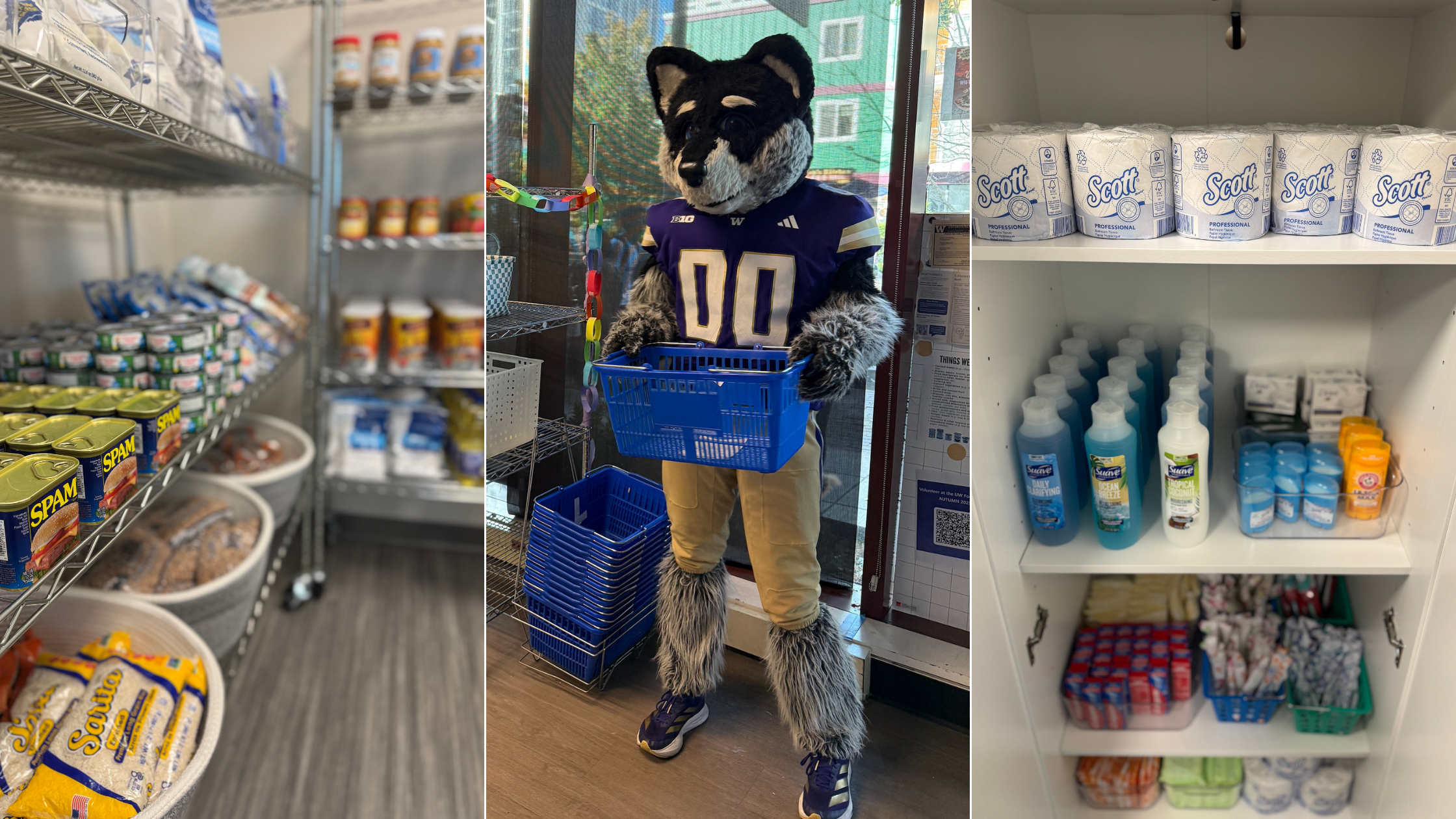
The pantry itself includes everything from non-perishable items like pasta, canned fruits and vegetables, peanut butter and milk to frozen goods like chicken, sliced turkey and shrimp. A refrigerated section is stocked with fresh produce, when available. The pantry also will seek out specialty cultural foods that may align with the student population – “something that will give them a taste of home,” added Cardenas.
"Access to food can make a meaningful difference in their well-being and academic success."
So far this academic year, about 42.6% of PNWU students who accessed the pantry reported supporting more than just themselves. For example, the pantry may get requests for infant formula or diapers to help those with babies or small children.
“Sometimes students face unexpected financial issues; some are married and have kids. Sometimes we hear about that. Students are struggling and it’s just very unfortunate,” said Cardenas.
Students may select from any items they need at any time; the only requirement is a brief check in on an iPad in the pantry. Students scan their ID badge and enter the number of household members. It does not limit how often students visit, or the number of items they may take. This approach is intended to minimize barriers to accessing food, Cardenas said.
The pantry informs students about its offerings during orientation, on flyers posted around campus, and through periodic email communications. Their Food Pantry Engage webpage also includes weekly updates to keep students informed about pantry availability, new items, recipes and information about other available resources.
In Yakima, the pantry is primarily supported through a partnership with the nonprofit Opportunities Industrialization Center (OIC) of Washington, which provides food to the school on a biweekly basis. The pantry also receives significant support through in-kind donations within the PNWU community, private financial donations, and donations via an Amazon wish list on their website.
“We are incredibly grateful for our partnership with OIC, which provides us with the majority of the food available in our pantry,” said Cardenas.
“There is a misconception that students in the professional programs do not experience food insecurity, which is not true. Many students, including dental students, face significant financial pressures,” she added.
“Access to food can make a meaningful difference in their well-being and academic success. When students are worried about where their next meal will come from, sometimes not just for themselves but also for their families, it becomes much harder to focus on the already demanding nature of their academic work.”
This article originally appeared in Issue 1, 2026 of the WSDA News.